Payment Encryption Mechanisms and Their Impact on Multi-Level Reward Accumulation in Hybrid Mobile Gaming Across Licensed British Sites
Quinn Berger · Oct 12, 2026
Payment Encryption Mechanisms and Their Impact on Multi-Level Reward Accumulation in Hybrid Mobile Gaming Across Licensed British Sites
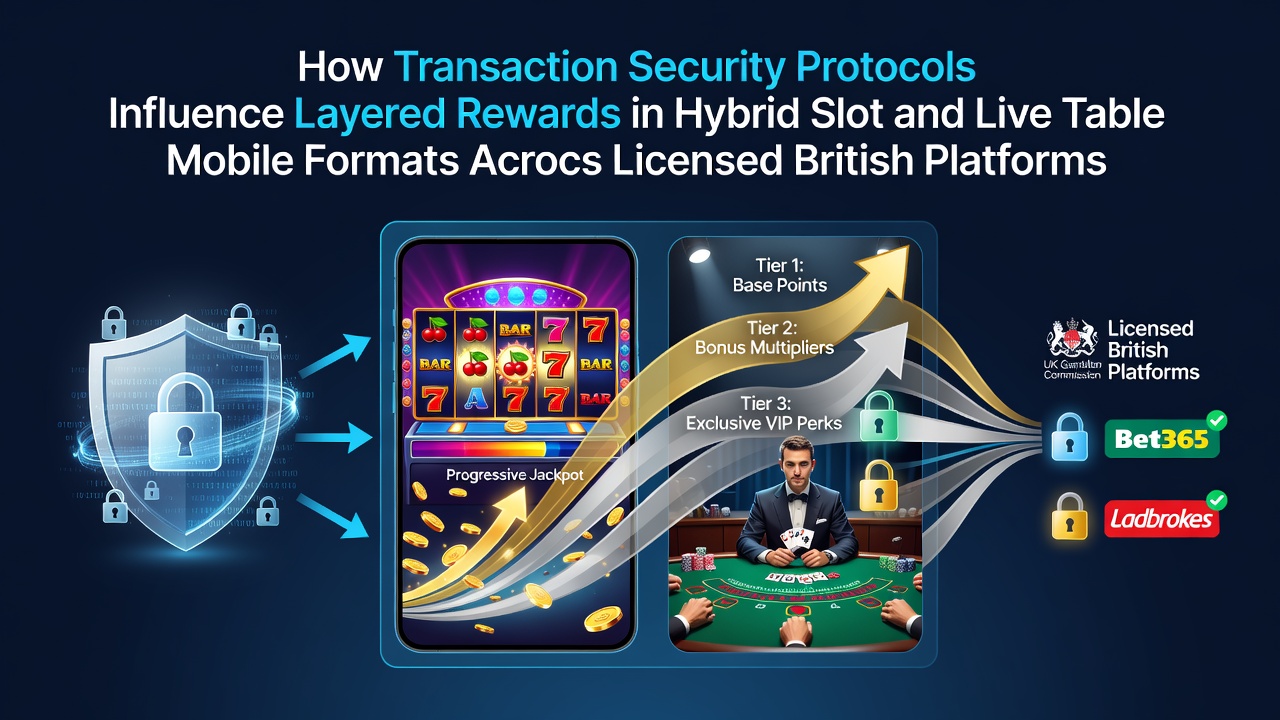
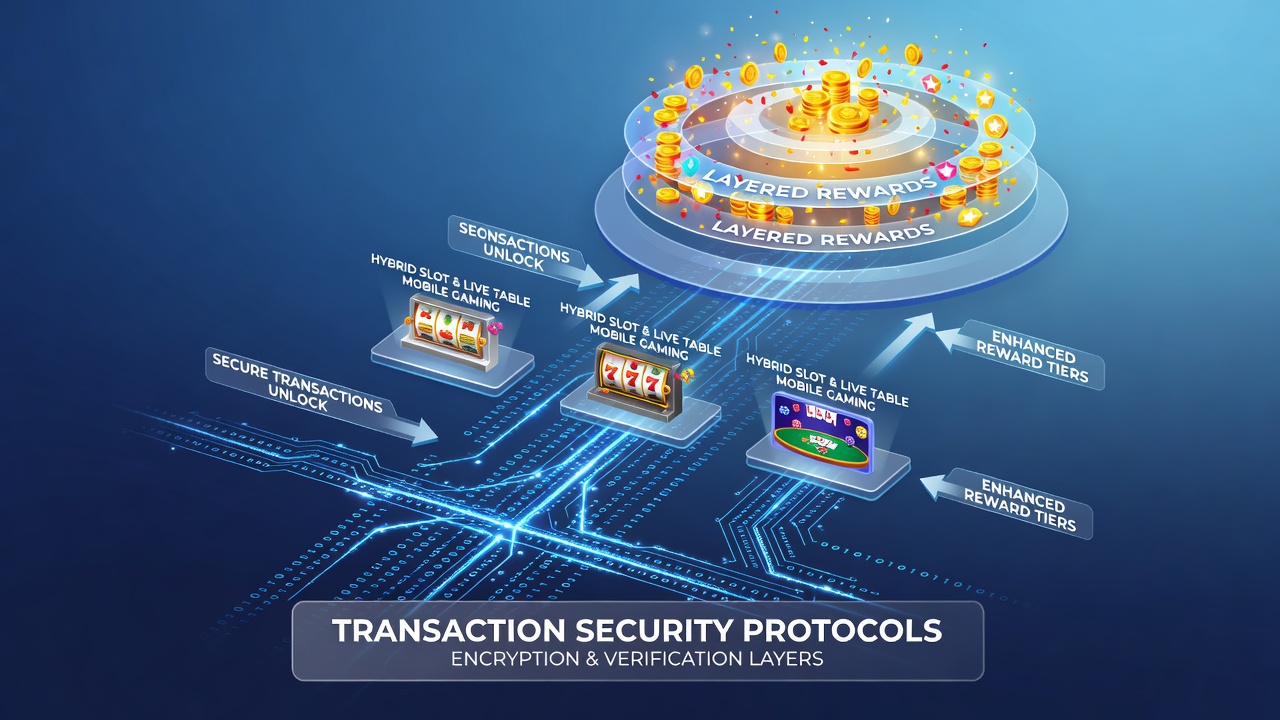
Transaction security protocols form the backbone of reward distribution systems in hybrid mobile formats that combine slot mechanics with live table interactions on licensed British platforms, and data from regulatory filings shows these protocols directly shape how bonuses, loyalty tiers, and promotional credits accumulate in real time. Operators integrate encryption standards such as TLS 1.3 alongside tokenization processes to verify each deposit and withdrawal, which in turn permits platforms to layer multiple reward types without exposing player data during cross-format play sessions that switch between automated reels and dealer-managed tables.
Core Security Elements in Mobile Hybrid Environments
Researchers at institutions tracking digital payment flows have documented how biometric authentication combined with device fingerprinting creates secure channels that support simultaneous tracking of slot-based free spins and live table cashback accruals, while payment service providers maintain PCI DSS Level 1 compliance to handle the volume of micro-transactions typical in these blended formats. Studies indicate that when tokenization replaces raw card details at the point of entry, platforms gain the capacity to credit loyalty points instantly across both game categories without triggering additional verification delays that could interrupt session continuity.
Layered Reward Structures and Protocol Integration
Layered rewards in these hybrid environments typically include deposit-matched bonuses, progressive loyalty multipliers, and format-specific incentives such as live table streak rewards or slot volatility adjustments, and security protocols ensure each layer validates independently before compounding into a unified player balance. According to industry reports from the European Gaming and Betting Association, operators that deploy end-to-end encryption report higher rates of successful multi-layer redemptions because the protocols prevent interception during the data handoff between slot servers and live streaming endpoints. One case examined by payment analysts revealed that platforms using hardware security modules could process reward stacking sequences in under three seconds even when players alternated rapidly between formats.
What's notable is the way these systems handle conditional bonuses that activate only after certain security thresholds are met, such as verified device location checks or transaction history audits, and observers note that such gates prevent reward exploitation while allowing legitimate players to build cumulative benefits across extended mobile sessions. Data compiled through October 2026 shows an uptick in hybrid format adoption coinciding with refinements in secure API gateways that facilitate seamless reward transfers without exposing underlying account ledgers.
Regional Regulatory Context and Technical Standards
British licensed operators must align their transaction frameworks with evolving international benchmarks, and reports from the Nevada Gaming Control Board highlight parallel developments in encryption requirements that influence how rewards are segmented and released in multi-jurisdictional mobile environments. Those frameworks emphasize audit trails that log every protocol handshake, which in practice allows platforms to demonstrate compliance while maintaining the fluidity needed for players to claim layered incentives without manual intervention.
Academic analyses from the University of Nevada, Las Vegas Center for Gaming Research further detail how secure multi-party computation techniques enable platforms to calculate combined slot and live table rewards on encrypted datasets, reducing the risk of data leakage during cross-format bonus calculations. This approach supports the delivery of time-sensitive promotions that adjust dynamically based on real-time security validations rather than static rules.
Operational Outcomes Across Licensed Platforms
Platforms operating under British licensing have incorporated these protocols into their hybrid offerings, resulting in documented patterns where players experience uninterrupted reward progression even during high-frequency switches between slot sessions and live dealer tables. Transaction logs analyzed in sector reviews reveal that encrypted payment rails correlate with reduced instances of reward reversal due to verification failures, thereby sustaining momentum in loyalty accumulation programs that span both game types.
Yet the technical overhead of maintaining such protocols requires continuous updates to cryptographic libraries, and operators report allocating resources toward automated compliance checks that run alongside reward engines to ensure every layered benefit meets security criteria before distribution. This integration has become standard practice as mobile traffic continues to dominate hybrid format engagement metrics.
Conclusion
Transaction security protocols continue to determine the scope and reliability of layered reward systems within hybrid slot and live table mobile formats on licensed British platforms, with encryption standards and compliance mechanisms providing the structural support for simultaneous bonus tracking and redemption across game categories. Evidence from regulatory and academic sources confirms that these protections enable the operational scale required for complex reward layering while maintaining the data integrity essential to regulated environments. As technical standards advance, the relationship between security infrastructure and reward functionality remains central to platform design and player experience continuity.