Deposit Options Matched to Live Dealer Sequences in British Mobile Casinos
Theo Beck · Sep 28, 2026
Deposit Options Matched to Live Dealer Sequences in British Mobile Casinos
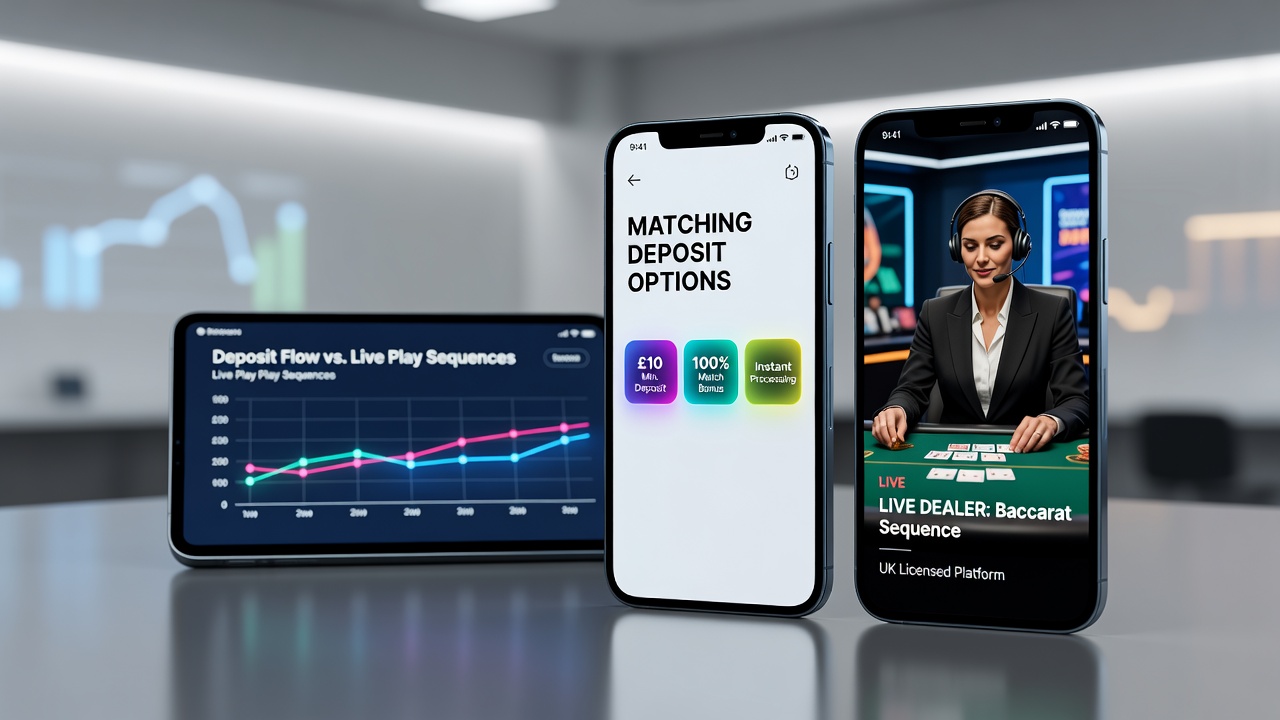
UK smartphone users navigate deposit choices that align directly with the timing and flow of live dealer sequences, where real-time interaction demands funding methods capable of instant or near-instant processing. Research from industry reports shows that debit cards and certain e-wallets maintain compatibility with these live sessions because they clear transactions within seconds, allowing players to join ongoing tables without interruption.
Payment Methods and Their Timing Profiles
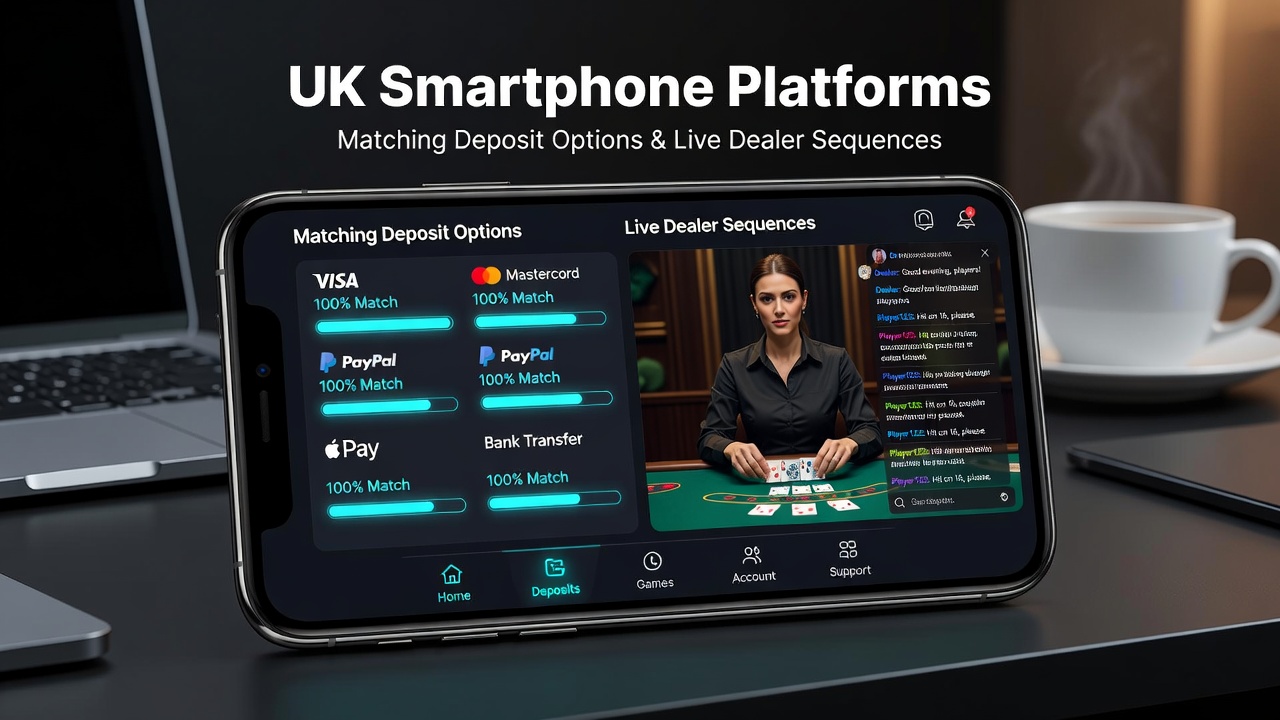
Observers note that debit card deposits often complete in under ten seconds on major UK apps, which matches the quick entry points required when a live dealer opens a new round of roulette or blackjack. E-wallet services such as PayPal and Skrill demonstrate similar speeds according to transaction data compiled by payment processors, whereas bank transfers typically require longer verification windows that do not suit continuous live sequences. One study revealed that players who select faster options maintain longer session continuity because they avoid the delays that interrupt table progression.
Smartphone Platform Specifics
Android and iOS applications in the UK incorporate APIs that prioritise certain payment gateways for live dealer environments, with developers configuring these systems to trigger immediate balance updates once authorisation clears. Data shows that apps built on newer frameworks reduce processing friction during peak evening hours when live dealer traffic increases, and this optimisation keeps sequences uninterrupted. Those who have examined mobile casino logs report that users switching between portrait and landscape modes experience no additional lag when deposits process in the background.
Regulatory Context Beyond Domestic Oversight
Figures from the European Gaming and Betting Association indicate that mobile live dealer participation across regulated markets grew steadily through 2025, with funding method reliability cited as a key factor in session completion rates. In September 2026 further statistics highlighted continued preference for deposit options that sync with real-time dealer mechanics rather than slower alternatives. Canadian regulatory summaries from the same period echo these patterns, noting that cross-border mobile users favour methods with built-in speed guarantees when accessing international live tables.
Practical Alignment Strategies
Users often test deposit limits against table minimums before committing to extended live dealer runs, and this approach prevents mid-sequence funding gaps that force table exits. Industry analyses demonstrate that pre-authorising smaller amounts in advance allows seamless top-ups once a live blackjack shoe reaches a critical point. Researchers discovered that players who map their chosen payment method to the specific dealer software used by an operator experience fewer interruptions because compatibility issues surface during initial setup rather than during active play.
Technical Integration Points
Live dealer platforms transmit balance checks through encrypted channels that accept instant confirmation from approved deposit providers, and smartphone operating systems facilitate this exchange via secure APIs. Evidence suggests that operators who update their payment integrations quarterly maintain higher retention during live sessions because transaction failures drop measurably. Observers note that push notifications triggered by successful deposits help users return to the table without manually refreshing their balance display.
Case Examples from Mobile Sessions
Take one documented instance where a player funded an account via an e-wallet during a live roulette sequence and rejoined the same wheel rotation within eight seconds, preserving betting continuity. Another recorded example shows debit card users completing deposits while a blackjack dealer shuffled, with the new balance reflecting before the next hand dealt. These instances illustrate how method selection directly influences whether sequences continue without restart.
Conclusion
Matching deposit options with live dealer sequences on UK smartphone platforms hinges on transaction speed, API compatibility, and pre-session verification rather than on slower traditional transfers. Data from multiple regulatory regions continues to track these alignments as mobile usage expands, and operators adjust their systems accordingly to support uninterrupted real-time play.